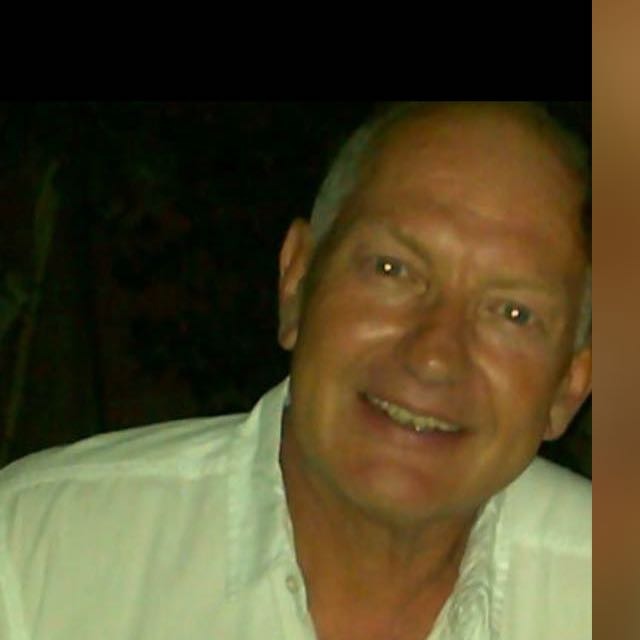
My academic path began at the University of the Free State, where I completed a B.A. in 1981, followed by a Higher Education Diploma in 1982, a B.Ed in Psychology in 1987 and an M.Ed in Psychology in 1991. In 1994 I completed a Ph.D. in Child Psychology at the University of Stellenbosch. That progression matters to me, because it reflects a specific orientation: a deep grounding in developmental psychology — how children think, feel and grow across the stages of childhood and adolescence — combined with the practical skills of educational assessment and intervention.
Educational psychology in South Africa is a registered profession. Practitioners must be registered with the Health Professions Council of South Africa (HPCSA) to work with the public, and their scope of practice is formally defined. It includes assessing, diagnosing and intervening to optimise human functioning in learning and development; identifying and working with psychopathology as it relates to learning and development; and providing psychological guidance within educational settings and policy. In plain terms, this means I am qualified both to investigate what is happening — through standardised assessment, observation and interview — and to respond to it, through therapy, feedback and collaborative planning.
Over more than three decades, that training has been applied in a wide range of settings. Children referred by schools because they have stopped coping in class. Teenagers who have become unrecognisable to their parents. Parents trying to make good decisions in the middle of a divorce. Learners with barriers to learning that have gone unaddressed for years. Families whose struggles cannot be separated from the systems they live inside — school timetables, custody arrangements, cultural expectations, financial strain.
My approach has been shaped by the conviction that behaviour is a language. When a child refuses to go to school, that is communication. When a teenager becomes volatile or silent, that is communication. When a family keeps circling the same argument, that too is telling us something. The work is not simply to stop the behaviour, but to understand what it is saying — and to respond in a way that actually addresses the underlying need.
A significant part of my practice involves collaboration with the legal system. I serve as an independent assistant to the Office of the Family Advocate and the Children's Court, with many evaluations done for and in liaison with social workers, lawyers, children's advocates and family advocates. The Family Advocate is a statutory office in South Africa that provides independent, unbiased advice to the court in disputes over custody, care and contact — their task is to serve the best interests of the child. Psychologists working in this space provide the psychological evidence that informs these decisions. It is careful, high-stakes work. Assessments must be thorough, fair and defensible, because they may shape where a child grows up and who they see every day. I take it seriously — and warmly, because behind every court file is a real child.
Alongside this, much of my work is quieter. Long-term therapy with a child who is slowly learning to trust again. Supporting a parent who feels they are failing. Helping an adolescent understand their own mind for the first time. These are not the cases that make headlines, but they are the ones that give the work meaning.
I am also an accredited mediator through MedianWorx, and listed as a psychologist on the Mediation Society of South Africa's register. I work in both Afrikaans and English, and I see clients in person at my Moreletapark rooms as well as online.
"Every child is doing the best they can with what they have. My work is to help them — and the people who love them — find a little more to work with."